Characterize and disseminate different ancestral systems of BNS for Water for Water Management in Spain, is essential for them to be maintained over time.

The current water management model requires a new approach that contributes to the Ecological Transition by working with nature. To achieve this, it is necessary to apply Nature-based Solutions for Integrated Water Management (NBS), since they are tools for adapting to climate change, generate ecosystem services and increase biodiversity.
NBSs have been applied in our country for more than a thousand years, through ancestral techniques of Sowing and Harvesting Water (WS&H), which consist of a series of systems with which water is derived and infiltrated in the subsoil to be recovered in other places a few months or years later. The goals of this project are
This is the first step of the project that seeks to compile all existing WS&H systems in Spain. A database, maps and inventories of the existing information will be created.
Creation of a monitoring system for the study zones, hydrogeological control of the zones for one year and analysis of the results obtained.
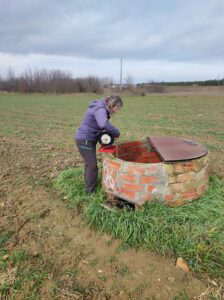
Evaluate the potential of abandoned WS&Hs and their possible recovery, develop restoration and reactivation proposals and proposals for management and recovery of WS&Hs.
Prepare scientific articles, videos, brochures and an informative book to disseminate the results of the project.